
The Mental Isolation of Memorial Day
One of the clearest signs that Americans are uncomfortable with grief is how often Memorial Day gets rewritten into a celebration instead of a remembrance.
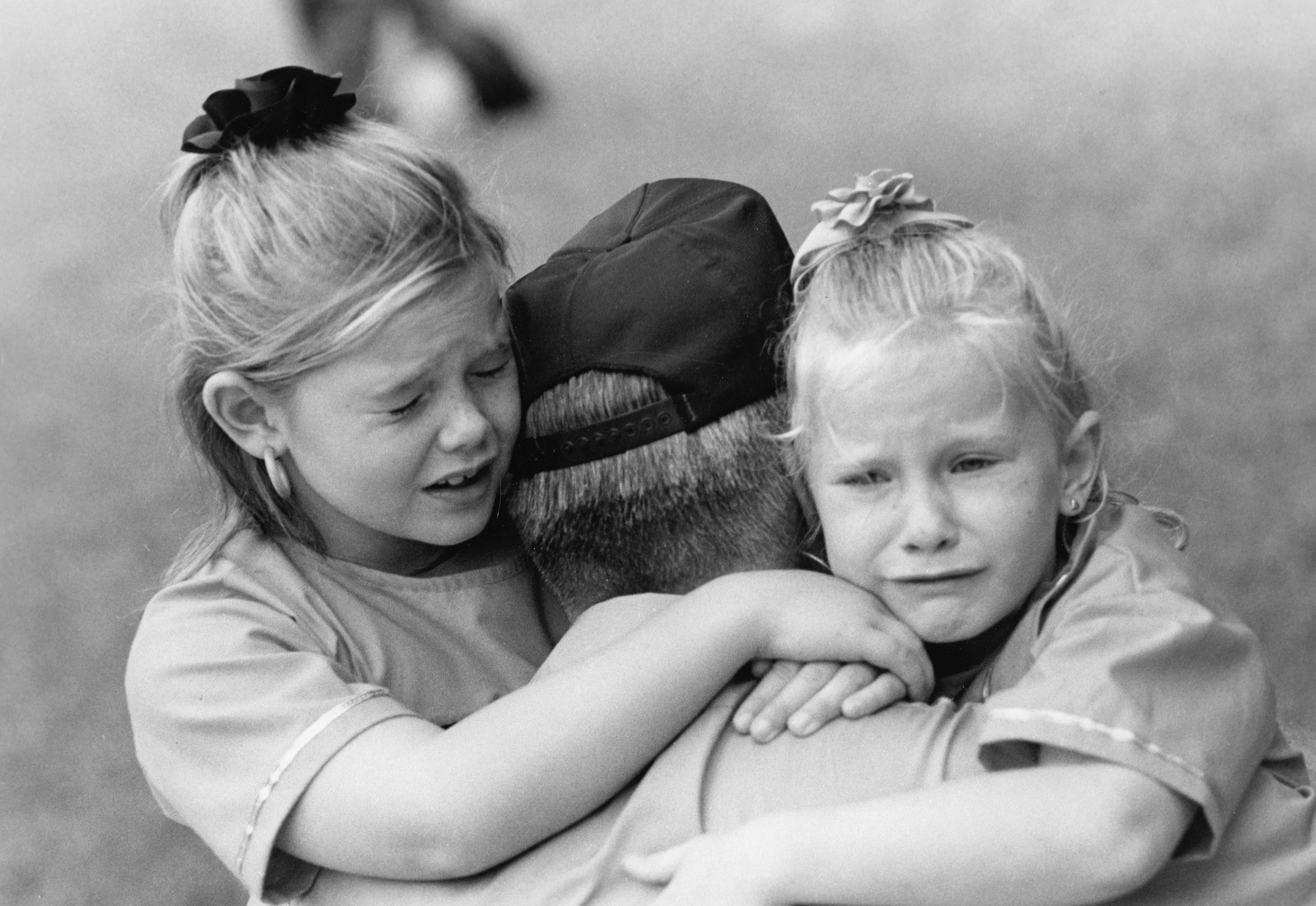
Every year the same shift happens. The language becomes broad and emotionally polished. Businesses advertise sales. Social media fills with patriotic graphics. People thank veterans for their service even though Memorial Day is specifically centered around those who never came home. Somewhere in the middle of all of it, the original purpose of the holiday starts becoming blurred beneath generalized patriotism and culturally acceptable versions of grief.
Memorial Day is not about veterans in the broad sense people often use the term. It is about military loss, and loss has significant psychological consequences long after public attention fades.
HOW TRAUMA RESPONDS TO TIME
One of the more difficult realities surrounding military loss is that the nervous system does not always recognize the difference between something that happened years ago and something that still feels psychologically unfinished. People often assume time naturally reduces the intensity of painful experiences, but trauma does not always follow that pattern. Some memories soften over time. Others remain highly active beneath the surface, waiting for an anniversary, sound, image, smell, or conversation to reactivate them unexpectedly.
For many veterans and military families, Memorial Day functions as one of those triggers.
The holiday can reactivate memories deeply tied to grief, guilt, hypervigilance, helplessness, fear, anger, or loss. That activation does not always appear dramatic externally. Some people become quieter. Some become emotionally detached. Others become irritable, exhausted, withdrawn, overstimulated, or emotionally numb without immediately recognizing why. Trauma responses are not always obvious from the outside, particularly when someone has spent years learning how to function while carrying unresolved experiences privately.
AFTER THE UNIFORM COMES OFF
Memorial Day also becomes psychologically complicated after military service ends because military culture often creates structure, identity, routine, belonging, and shared understanding. During service, there is usually a sense that other people understand the language, the environment, the stressors, and the realities attached to military life without requiring extensive explanation. After separation, many veterans lose that shared context while still carrying experiences that remain psychologically active.
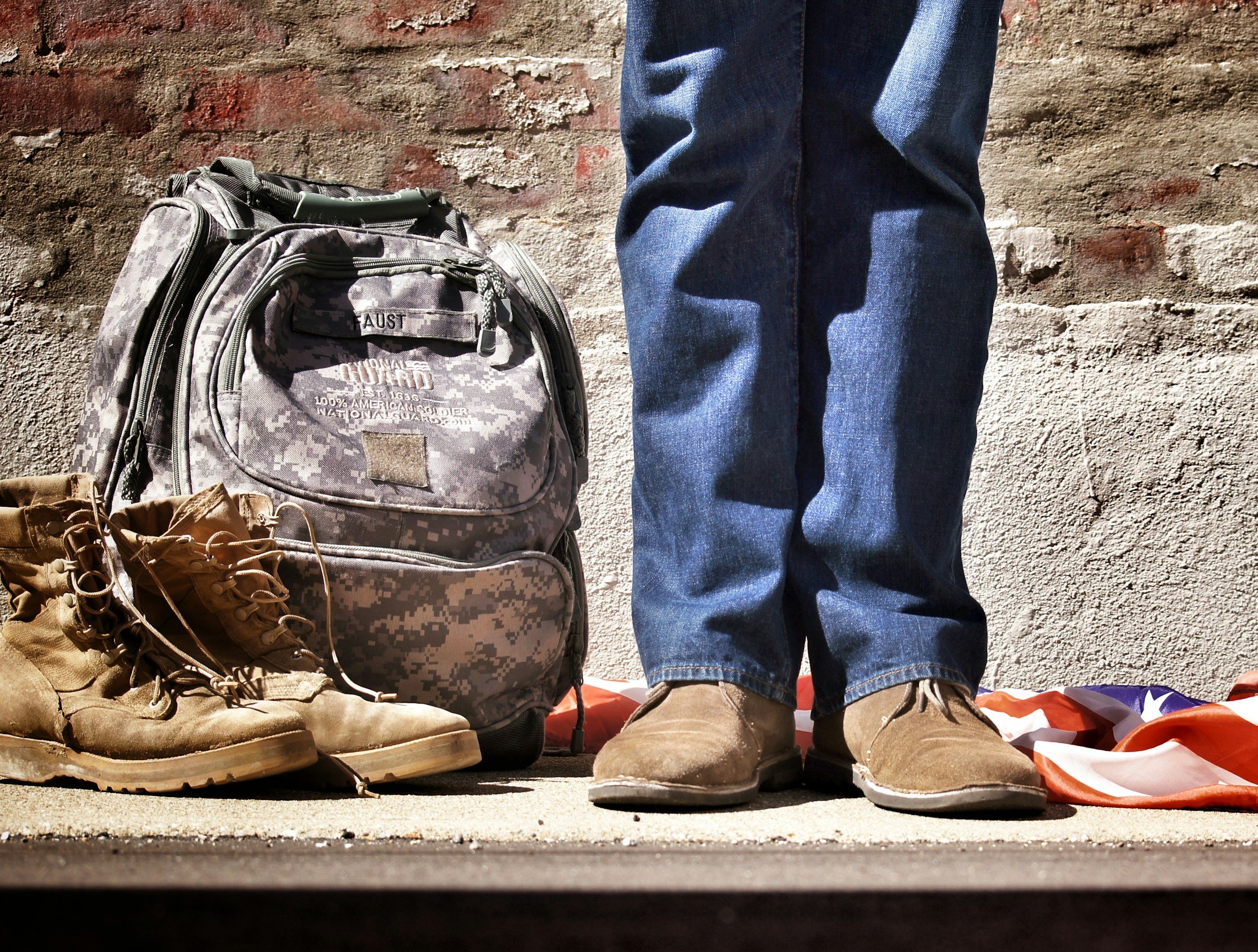
Many veterans enter civilian environments where military experiences become simplified into broad ideas about sacrifice, patriotism, or resilience. Conversations that once felt natural begin feeling filtered. Certain memories stop being discussed because explaining them becomes exhausting. Some veterans begin noticing that people are comfortable hearing stories that sound inspirational, but visibly uncomfortable when grief remains unresolved, contradictory, or emotionally complicated.
Grief becomes flattened into slogans because slogans are easier to tolerate than unresolved pain.
Many people eventually begin distancing themselves not only from others, but from their own internal experiences as well. Emotional numbing, avoidance, irritability, sleep disruption, social withdrawal, hypervigilance, and chronic emotional fatigue can slowly become part of daily life when grief remains psychologically isolated for long periods of time.
Memorial Day can intensify those experiences because it places public attention directly onto subjects many veterans spend much of the year trying to regulate privately.
THE PRESSURE TO HEAL VISIBLY
At the same time, the broader culture often struggles to tolerate grief that does not evolve into something inspirational quickly enough. There is an unspoken expectation that healing should eventually become visible. Trauma is expected to become growth. Loss is expected to become meaning. Pain is expected to become purpose.
Some veterans continue replaying moments they cannot fully make peace with decades later, while others feel overwhelmed by how quickly the rest of the world moved on from losses that still feel psychologically immediate. Some carry guilt connected to surviving situations other people did not survive. Others feel emotionally disconnected from reactions they believe they should be having.
Many veterans recognize intellectually that life continues after loss, yet emotionally, continuing forward can still feel disorienting. There are people building careers, raising children, laughing with friends, and functioning normally while privately carrying the awareness that someone else no longer has the opportunity to do any of those things.
Guilt often develops inside that tension.
WHEN HEALING FEELS LIKE BETRAYAL
One of the least understood aspects of traumatic grief is that healing itself can sometimes feel psychologically threatening. Grief, as painful as it can be, also maintains connection. Letting life move forward can create fear that someone is forgetting, minimizing, or abandoning the significance of the person they lost. For some people, remaining distressed can begin feeling more loyal than fully adapting to life after loss.
The nervous system often learns that staying emotionally activated feels safer than emotionally releasing certain experiences completely.
Public conversations surrounding Memorial Day often intensify that isolation. Patriotic language tends to become emotionally broad and impersonal very quickly. "Support the troops" sounds socially unifying, but it can also create distance from the actual psychological realities many veterans and military families continue managing privately.
WHAT MEMORIAL DAY ACTUALLY ACTIVATES
For many veterans, Memorial Day is not psychologically difficult because they are ungrateful or unwilling to heal. The holiday becomes difficult because it reactivates experiences that were never fully processed in the first place.
Some veterans spend the day surrounded by people while feeling completely disconnected from everyone around them. Others avoid social media because the flood of patriotic messaging feels emotionally exhausting rather than comforting. Some notice increased irritability or emotional withdrawal without understanding why until later. Others become overwhelmed by memories they thought had stopped affecting them years ago.
Trauma rarely responds in predictable ways simply because time has passed.
THE PROBLEM OF MENTAL ISOLATION
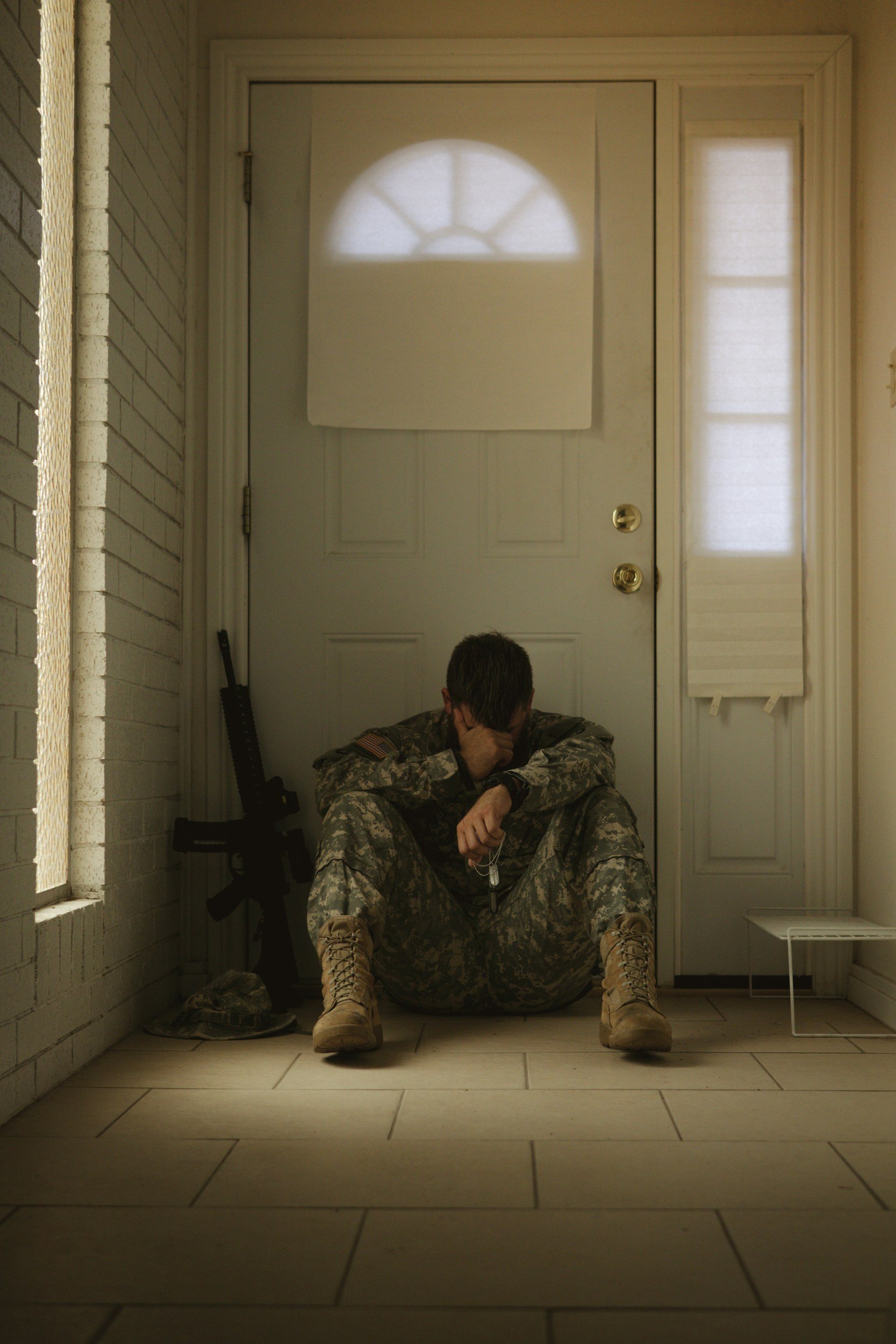
Many veterans struggle to explain Memorial Day experiences to civilians because public remembrance tends to operate collectively and temporarily while traumatic grief often operates privately and continuously. For many civilians, Memorial Day lasts a weekend. For some veterans and military families, remembrance never became something confined to a holiday weekend.
People often assume loneliness comes from physical isolation, but psychological isolation frequently develops when someone feels unable to translate their internal experiences into language other people can meaningfully hold. Many veterans eventually stop discussing certain memories because the conversations either become emotionally performative or psychologically minimizing. Some people receive appreciation when discussing service, but discomfort the moment conversations move toward unresolved grief, guilt, fear, or trauma.
Over time, many individuals learn to carry those experiences alone.
WHAT REMAINS UNSEEN
Memorial Day places collective attention onto military loss while simultaneously revealing how uncomfortable many people become when grief remains psychologically unresolved. Public remembrance often focuses on inspiration, sacrifice, and patriotism because those themes feel emotionally manageable. Unresolved trauma is much harder for people to sit with honestly.
Mental health conversations surrounding veterans frequently focus on crisis after symptoms become severe, but Memorial Day highlights something quieter that often receives less attention. Chronic emotional suppression, unresolved grief, identity disruption after service, isolation, survivor's guilt, hypervigilance, and emotional numbing can all continue affecting people long after military service ends while remaining largely invisible to the environments around them.
Memorial Day was never supposed to function as emotional convenience. It was meant to acknowledge absence, loss, and sacrifice honestly.