
Couple’s Therapy & Marriage Counseling
in San Antonio, Schertz, & Online throughout TX
Understand the pattern, change how you respond to it & build a relationship that works better for both of you
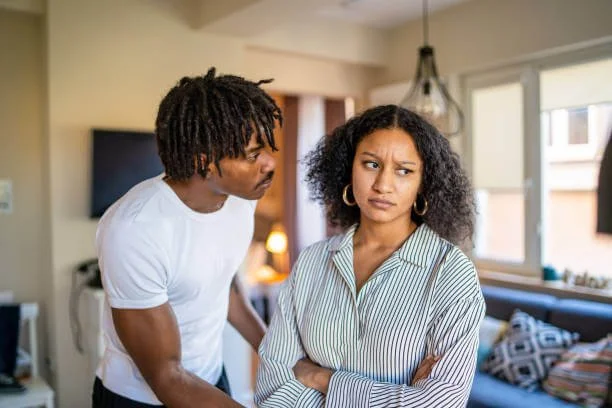
You may still love each other, but lately it feels harder to actually reach each other.
Conversations turn into arguments. One of you wants to talk while the other shuts down. Small disagreements become bigger than they should. Or maybe there is not much fighting anymore. Instead, there is distance.
You manage work, children, schedules, bills, and everything else life requires, but somewhere along the way you stopped feeling like partners.
Couples therapy can help you understand what keeps happening between you and begin changing the patterns that neither of you has been able to change alone.
The Problem Is Not Always What You Are Fighting About

Couples often come to therapy believing they have a communication problem. Sometimes they do. But communication is rarely just about finding better words.
One partner may push harder when they feel ignored. The other may withdraw when they feel criticized or overwhelmed. One person tries to solve the problem while the other wants to feel understood. Old hurts begin showing up in new disagreements.
Eventually, both people start reacting to the pattern instead of responding to each other. Couples therapy helps you recognize that cycle, understand your part in it, and begin doing something different.
The goal is not to eliminate disagreement. Healthy couples disagree, but to keep disagreement from repeatedly becoming disconnection.
Couples Therapy Can Help With

Repeated arguments that never feel resolved
Communication that becomes defensive, critical, or shut down
Emotional distance or feeling more like roommates
Loss of emotional or physical intimacy
Infidelity, secrecy, or broken trust
Jealousy, insecurity, or anxiety within the relationship
Parenting and family disagreements
Financial stress
Major life transitions
Military or veteran-related relationship stress
Different expectations about closeness, sex, family, or the future
Wanting to strengthen the relationship before problems become more serious
You do not have to wait until your relationship is falling apart to ask for help.
What Couples Therapy at HOPE Looks Like
Couples therapy is not two people presenting their cases while the therapist chooses a winner. We pay attention to what is happening between you. Your therapist will help identify patterns that contribute to conflict, distance, resentment, or disconnection while also helping each partner understand what they can change.
Depending on your goals, counseling may focus on:
-
Learning how to discuss difficult topics without immediately becoming defensive, escalating, or shutting down.
-
Recognizing recurring arguments and developing healthier ways to manage disagreement.
-
Rebuilding friendship, affection, emotional responsiveness, and intimacy.
-
Addressing relationship injuries and determining what meaningful repair requires.
-
Practicing different responses outside of therapy so progress does not disappear once the session ends
Insight matters, but understanding the problem is only useful if it helps you respond differently when the problem happens again.

HOPE offers the marriage counseling and couple’s therapy that aligns with the Gottman Method, a structured, research-based approach that helps couples improve communication, manage conflict, rebuild connection, and strengthen their relationship.
Not Sure Whether You Want to Stay Together?
If one or both of you are uncertain about the future of the relationship, traditional couples therapy may not be the right starting point. Discernment Counseling helps couples clarify whether to work on the relationship or move toward separation.
FAQs about Couple’s Therapy & Marriage Counseling in San Antonio, Schertz, or Online in TX
-
No. Couples therapy is available to married and unmarried partners. Treatment is based on your relationship concerns and goals rather than marital status.
-
Not a thing. This is just semantics. We help couples regardless of their relationship or marital status work through and find more connection and hope for the future.
-
Unfortunately, not usually. Your health insurance covers medical illness, so services have to reflect a medical necessity. Most insurance companies don’t consider relationship conflict or struggles to be a medical problem. So, even though it can lead to anxiety, depression, and be related to trauma it has to get really bad often before it qualifies. If there is a qualifying medical necessity, all services have to be geared toward that medical necessity.
-
No. Couples often seek counseling long before divorce or separation is being considered. Therapy can also help strengthen a generally stable relationship or address problems before they become more serious.
-
The therapist's role is not to determine which partner is right. Couples therapy focuses on understanding the relationship dynamic, identifying unhelpful patterns, and helping both partners make meaningful changes.
-
It is recommended for both partners to attend. There will be sessions where your counselor will meet with only one partner in the relationship, but this will be pre-planned with your consent. For the best results, consistency in sessions together is crucial.
-
Couple’s therapy and marriage counseling can be highly effective in improving relationships and helping partners better understand each other and increase their connection. Success depends on the commitment of both partners doing the work to improve the relationship.
-
There is no standard timeline. Treatment length depends on your concerns, goals, how long patterns have been present, session frequency, and the changes you are working toward.
-
When one partner is leaning toward leaving and the other wants to preserve the relationship, Discernment Counseling may be more appropriate than immediately beginning traditional couples therapy.