What Juneteenth Teaches Us About Trauma, Survival, and Healing
Freedom existed on paper before it existed in lived reality
Juneteenth is often discussed historically or politically, but not nearly as often psychologically. Generally, people know the basic timeline; the Emancipation Proclamation was issued in 1863, yet many enslaved people in Texas did not learn they were legally free until June 19, 1865.
It is difficult to fully comprehend what that must have done to people psychologically. To know freedom had technically arrived while daily life still looked exactly the same.
As a Caucasian clinician, I am aware that there are many parts of this experience I cannot speak to directly. What I can speak to is what prolonged threat, instability, dehumanization, fear, and delayed recognition can do to people psychologically. People do not develop separately from the environments and histories surrounding them. Nervous systems adapt to relationships, danger, power, instability, and survival. They always have.
One of the biggest misconceptions people have about trauma is that it ends when the event ends.
It just rarely works that way. Human beings adapt in order to survive, and when people live under chronic danger or prolonged uncertainty, the mind and body begin organizing around protection.
Hypervigilance develops for a reason. Emotional shutdown develops for a reason. Distrust develops for a reason. Constant scanning, guardedness, silence, overworking, and survival-focused thinking are not random character traits, but responses to environments where safety has been inconsistent, fragile, or entirely absent.
People do not suddenly feel safe because someone tells them they are now supposed to be.
Anyone who has worked in any sort of trauma setting has seen versions of this. A person can leave an abusive relationship and still panic when they hear footsteps outside the door. A veteran can return home and continue scanning every room for exits years after they left the war. Someone who grew up in chaos can enter stable relationships and still wait for something to go wrong. The body learns survival deeply, and it does not immediately abandon what once kept it alive.
However, this holiday is not only about delayed liberation; it also reflects something deeply human that shows up across trauma work. When dignity, autonomy, safety, and recognition are withheld for prolonged periods of time, the effects do not disappear overnight and often cause us to underestimate how deeply environments shape people.
If someone spends years learning that visibility is dangerous, that speaking openly carries consequences, or that survival depends on careful self-monitoring, those patterns do not simply dissolve because external conditions shift. The body remembers what it had to do to survive. In many cases, it continues using those same strategies long after the original threat changes.
This is one of the reasons trauma treatment is never about "just moving on."
People often assume healing means convincing someone they are safe now. In reality, healing usually involves helping the nervous system slowly recognize that what was once necessary may no longer be necessary in the same way. That process takes time. It takes consistency and experiences that feel trustworthy enough for the body to stop constantly preparing for danger. Even then, survival patterns can remain deeply ingrained.
HOW HISTORY WORKS SIMILARLY
Historical trauma is sometimes reduced to the idea of people simply feeling upset about the past. That explanation barely scratches the surface.
Trauma changes how people anticipate danger, whom they trust, how they protect themselves, and what feels safe enough to believe in. It is not just about remembering painful events. It is also about adaptation and the ways people and communities organize themselves in the face of prolonged stress, fear, instability, and survival over time. Those effects can ripple across generations through family systems, cultural messages, silence, caution, relational dynamics, and learned beliefs about safety and vulnerability.
Children do not only inherit genetics. They also inherit stories, fears, coping patterns, expectations, warnings, and survival strategies. Sometimes they inherit what was spoken openly, but just as often they inherit what nobody felt safe enough to discuss at all.
That silence matters more than many people realize
Many communities throughout history have been expected to recover publicly before they were ever fully acknowledged privately. There is often pressure to recover quickly, quietly, and in ways that make other people comfortable. Society tends to admire survival while simultaneously avoiding sustained conversations about what survival actually costs.
That tension exists in many forms of trauma. People often want suffering to become inspirational before it has even been fully recognized. There is discomfort around sitting with pain that cannot be quickly resolved or neatly reframed, so society often pushes for closure long before there has been enough honesty to support it.
BUT ACKNOWLEDGMENT MATTERS
Not because acknowledgment magically fixes everything, but because invalidation compounds injury. One of the most psychologically damaging experiences a person can have is being harmed while simultaneously being told the harm was not significant, should no longer matter, or should already be resolved. That creates confusion internally and forces people and communities to carry both the original wound and the burden of having to justify why the wound still exists.
That is exhausting, and it is also part of why remembrance matters.
Juneteenth is not just about remembering a historical date, but about recognizing that human beings carry history psychologically, relationally, and physiologically into the present. History does not stay confined to textbooks. It shows up in stress responses, family dynamics, institutional distrust, grief, vigilance, and the ways people learn to navigate safety, power, and belonging.
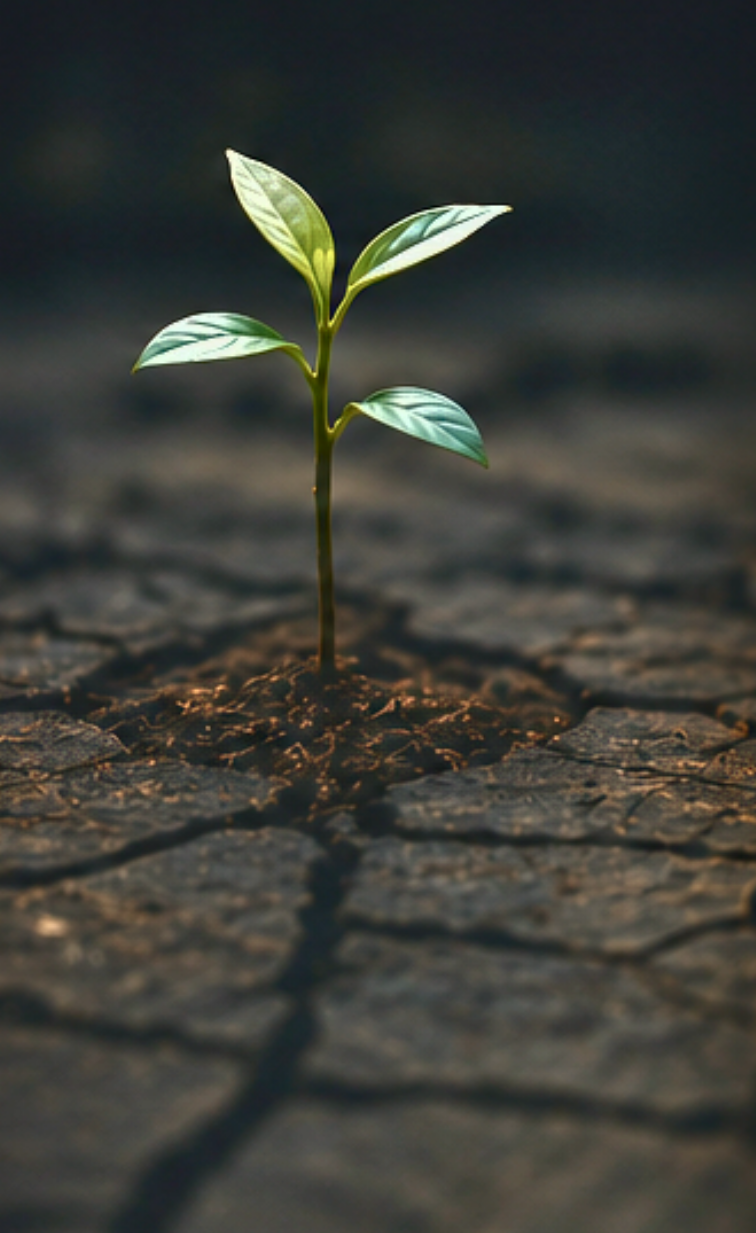
None of this means people are permanently damaged or incapable of healing. Trauma is not destiny. Human beings are adaptive and resilient, but resilience is often misunderstood.
Resilience does not mean people were untouched by what happened to them, nor does it mean the damage was insignificant. And it certainly does not mean people should simply continue enduring more. In mental health spaces, resilience is sometimes discussed in ways that unintentionally erase the cost of survival.
People are praised for functioning while their exhaustion is ignored, or they are admired for enduring difficult conditions while their grief is minimized. Maybe they are congratulated for coping, while the circumstances requiring constant coping remain insufficiently examined or resolved.
There is a difference between surviving and never having been affected.
Juneteenth offers an opportunity to reflect honestly on that distinction. It asks us to consider what happens when freedom arrives late, when suffering is minimized, or when people are expected to heal faster than human beings realistically can. It also asks us to examine how societies remember, what they choose to forget, and whose pain is allowed to remain visible over time.
From a mental health perspective, these conversations matter because people do not heal in isolation from the environments around them. Healing is shaped by whether people feel seen, believed, protected, acknowledged, and safe enough to exist without constantly organizing themselves around survival.
The nervous system responds differently when it no longer has to spend all of its energy preparing for danger. Humans respond differently when dignity is offered consistently instead of conditionally. Communities respond differently when their experiences are recognized instead of dismissed or avoided.
Psychological healing is rarely immediate, even after circumstances improve. Survival patterns often outlive the environments that created them. That reality is not weakness, but human adaptation.