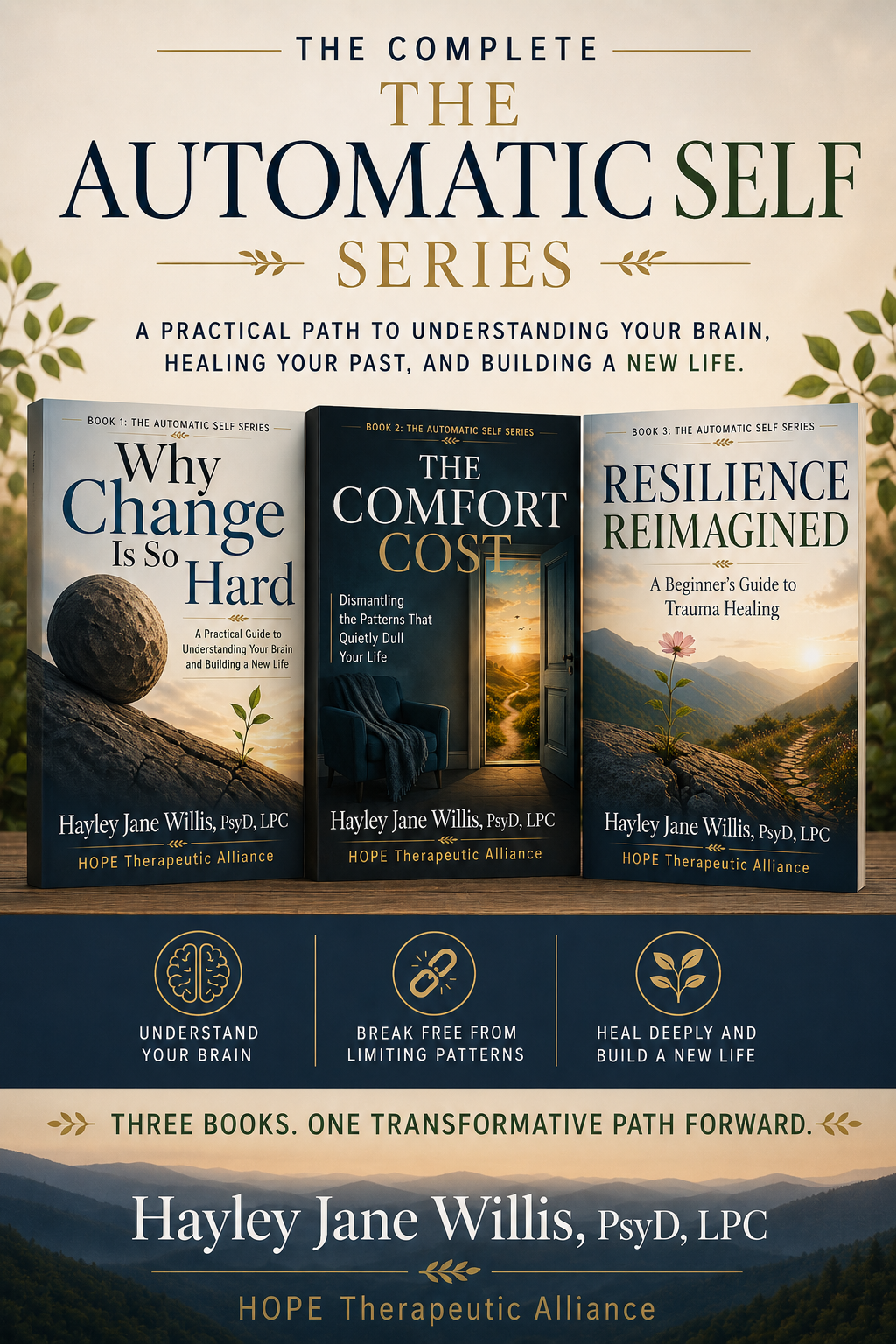
Why do people repeat the same patterns even when they want something different? The Automatic Self Series examines the psychological systems that operate beneath conscious awareness, influencing behavior, emotional reactions, relationships, and change. Through Resilience Reimagined, Why Change Is So Hard, and The Comfort Cost, readers gain a deeper understanding of how automatic processes shape daily life and what it takes to create meaningful, lasting change.
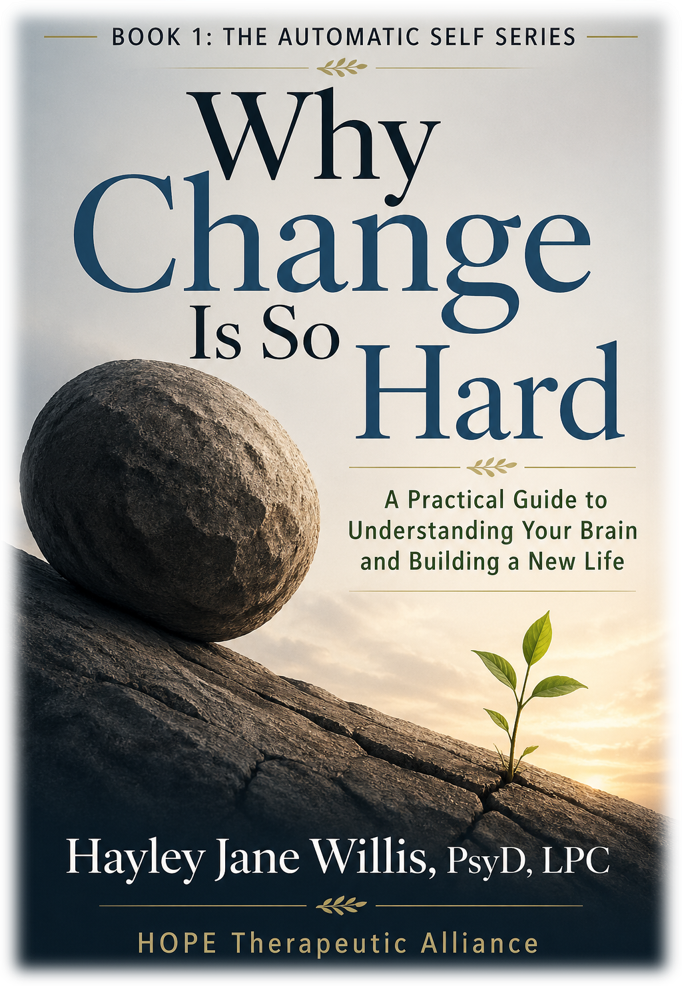
Change sounds exciting until your brain starts treating it like a threat. The first book in the Automatic Self Series explores why growth can feel so uncomfortable, even when you genuinely want it. Across 53 pages of guided reflection and practical insight, you will learn how the brain becomes attached to familiarity, how protective patterns quietly shape your decisions, and why resistance is often rooted in survival rather than laziness or lack of motivation. Instead of framing struggle as weakness, this book helps you understand the deeper mechanisms behind avoidance, emotional discomfort, and self-sabotaging cycles. This is a grounded, accessible starting point for anyone trying to step out of old patterns and create meaningful change without fighting themselves in the process.
*This resource is an educational tool intended to support personal growth and emotional wellness and is not a substitute for therapy or mental health treatment.
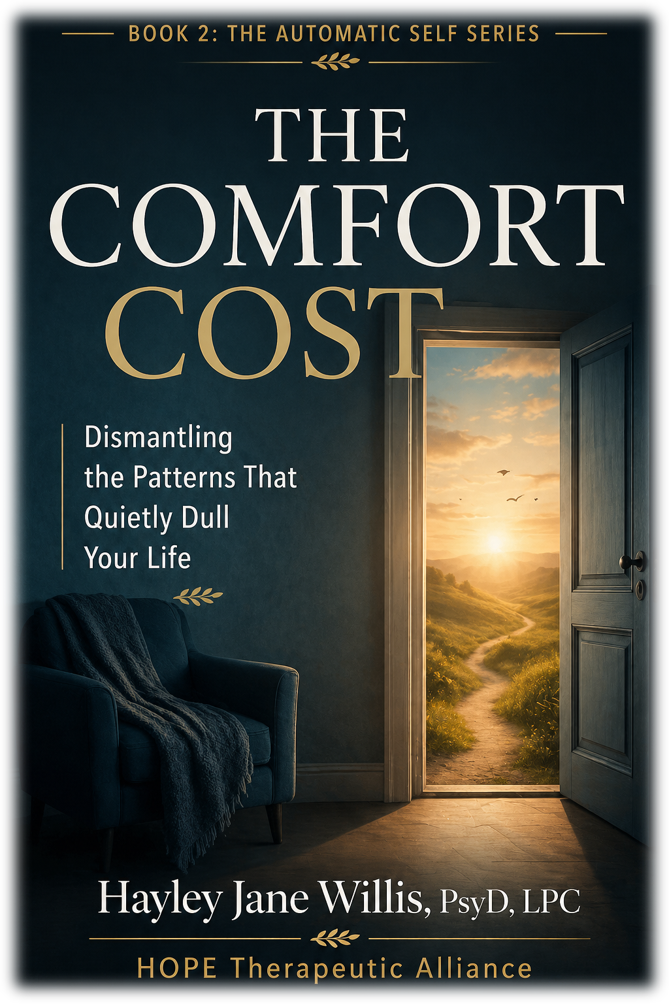
Comfort is not always peace. Sometimes it is avoidance dressed up as stability. Book Two in the Automatic Self Series explores the hidden price of staying emotionally safe, predictable, and familiar at the expense of growth. Through 71 pages of guided reflection, this journal helps you examine the routines, relationships, beliefs, and coping patterns that may protect you from discomfort while quietly limiting your life. You will begin identifying where fear, predictability, and self-protection have started making decisions for you. Rather than pushing toxic positivity or reckless change, this book helps you honestly evaluate what your current patterns are costing you and whether they still align with the life you actually want to build.
*This resource is an educational tool intended to support personal growth and emotional wellness and is not a substitute for therapy or mental health treatment.
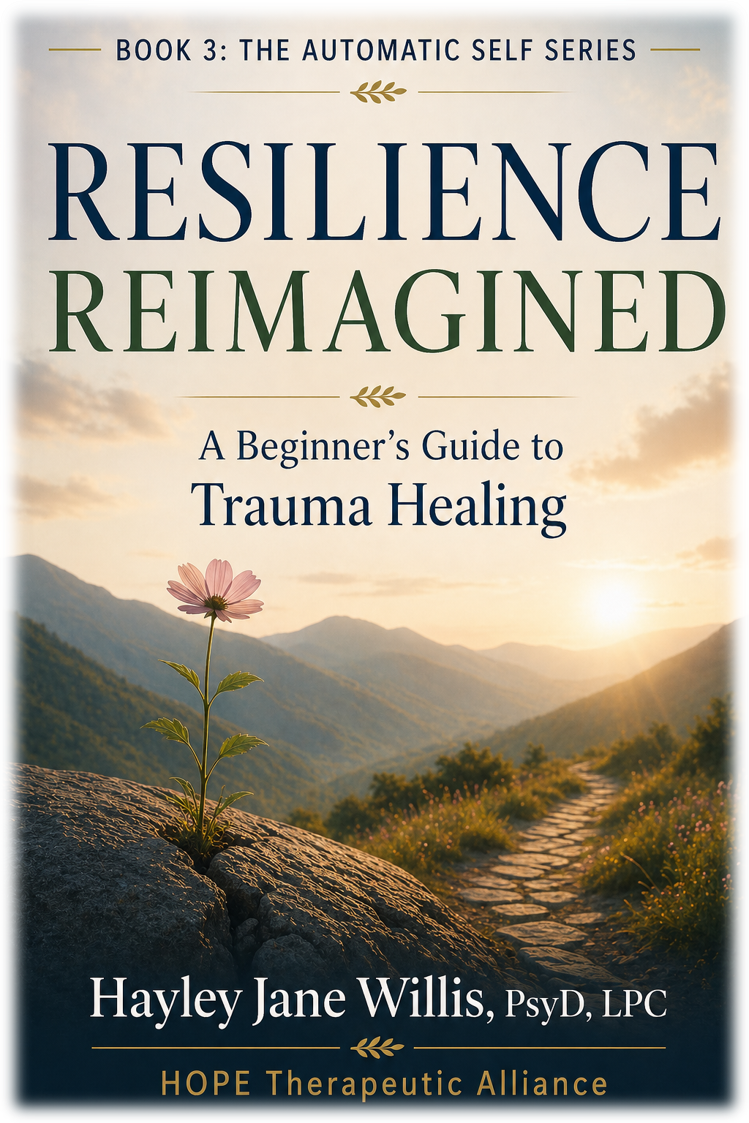
Resilience is not about becoming unbreakable. It is about learning how to adapt without losing yourself in the process. The final book in the Automatic Self Series moves beyond understanding your patterns and focuses on building lasting, sustainable change. Across 142 pages, you will learn how to strengthen emotional flexibility, respond to setbacks without collapsing into old habits, and create routines that support long-term growth instead of temporary motivation. This book reframes resilience as a skill that is intentionally built through awareness, repetition, and self-trust rather than sheer toughness. Through guided exercises and practical reflection, you will begin turning insight into consistency so the life you are building actually feels stable, authentic, and maintainable over time.
*This resource is an educational tool intended to support personal growth and emotional wellness and is not a substitute for therapy or mental health treatment.
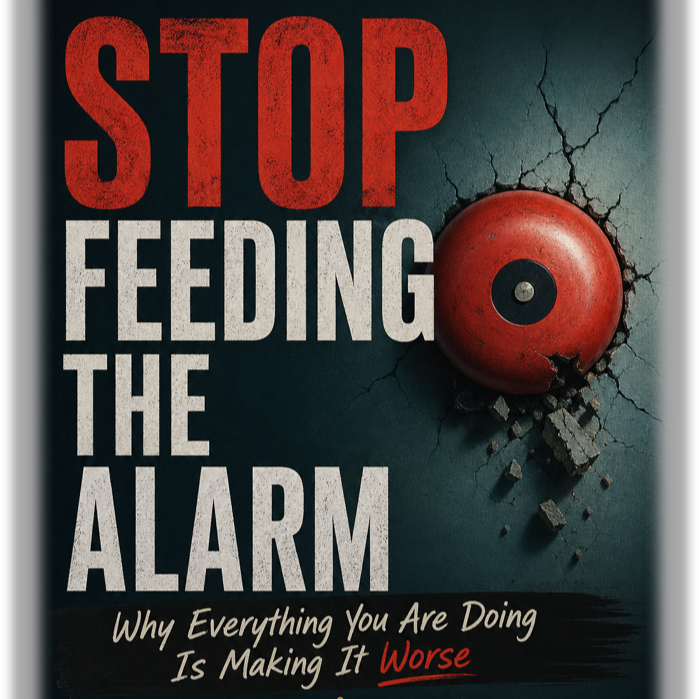
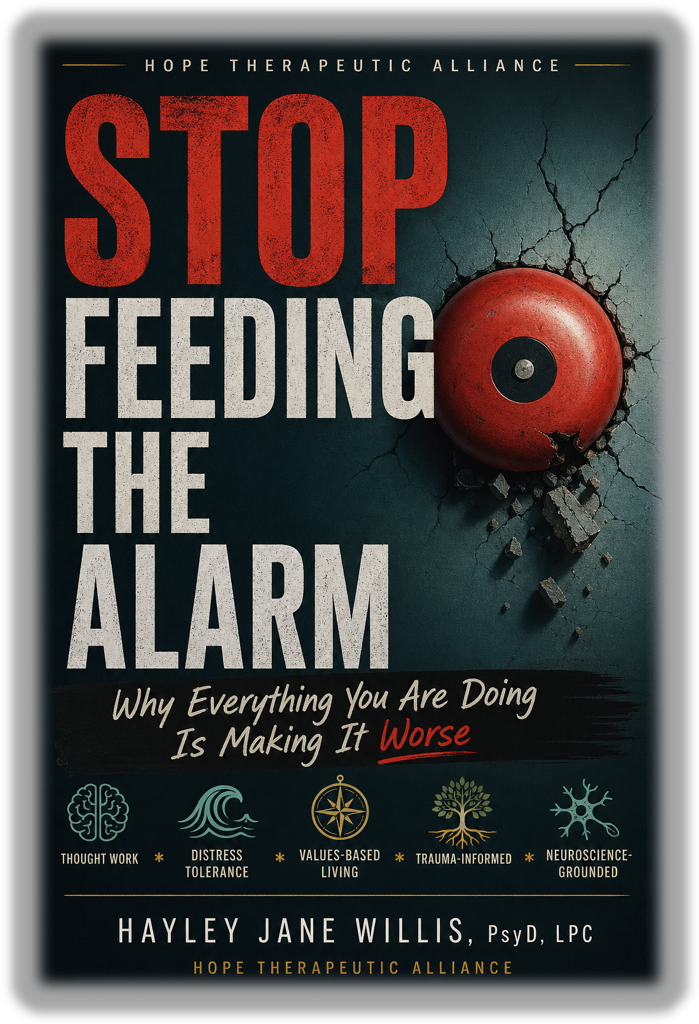
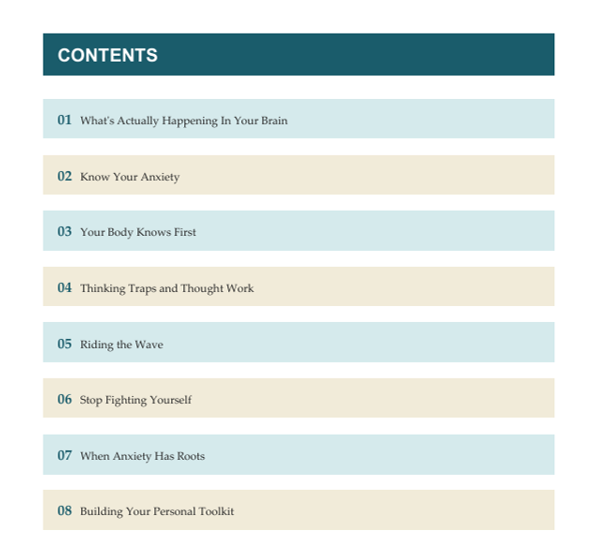
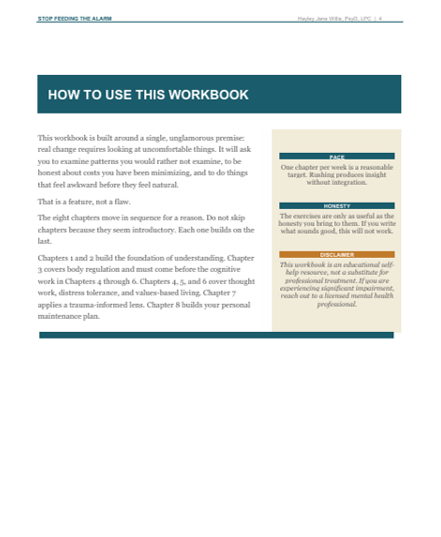
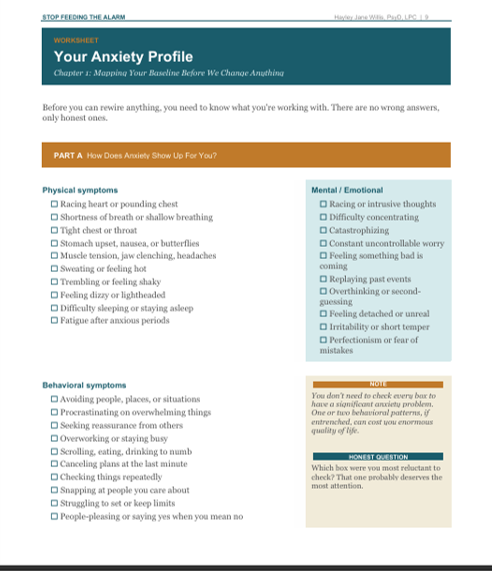
Anxiety does not always feel like fear. Sometimes it feels like overthinking, irritability, exhaustion, avoidance, tension, or a nervous system that never fully powers down. This 43-page workbook helps you understand why that happens and what keeps the cycle going. Rather than teaching you to “just calm down,” it helps you identify the hidden patterns, thoughts, and protective behaviors that quietly keep anxiety activated. Through practical exercises and guided prompts, you will learn how to regulate your nervous system, respond differently to uncertainty, and build a more stable relationship with your own mind and body. This is not about eliminating anxiety completely. It is about helping you stop living at the mercy of it.
*This resource is an educational tool intended to support personal growth and emotional wellness and is not a substitute for therapy or mental health treatment.
No results match your search. Try removing a few filters.