
Memorial Day Was Never Meant to Feel Comfortable
Memorial Day is one of the only holidays in the United States built around loss, yet every year there is a noticeable attempt to reshape it into something easier to sit with. Social media fills with patriotic graphics, inspirational military quotes, and polished reminders about sacrifice and freedom. Businesses announce sales, families gather around grills, and the overall tone gradually shifts toward celebration even though the foundation of the day is death.
Somewhere along the way, remembrance became emotionally sanitized.
That shift is understandable because grief has always made people uncomfortable. Most people do not know what to do with pain that cannot be resolved neatly, especially when that pain involves war, trauma, death, or survivor's guilt. It often feels easier to redirect the conversation toward pride, resilience, gratitude, or patriotism than to sit with the reality that Memorial Day can carry a psychological weight many veterans and military families never fully put down.
THE WEIGHT OF MEMORIAL DAY

For many veterans, Memorial Day does not arrive as uncomplicated pride or patriotic reflection. The day can feel heavy before it even begins. Some veterans wake up already tense, knowing certain memories will probably surface whether they want them to or not. Others move through the day feeling strangely detached, almost confused by how little they seem to feel at all. Some attend ceremonies every year because the structure feels grounding and familiar. Others avoid the day entirely because the emotional activation becomes exhausting before they even leave the house.
There is often an unspoken expectation that veterans should know how to participate in Memorial Day appropriately. Military experiences are not psychologically uniform, and neither are the reactions attached to them. People outside the military community sometimes assume that Memorial Day creates a singular emotional experience centered around pride, gratitude, and remembrance. In reality, the day often carries contradiction instead. Pride can exist alongside resentment. Gratitude can exist alongside grief. A person can miss the people they lost while still avoiding conversations and ceremonies connected to remembering them.
Pride can exist alongside resentment. Gratitude can exist alongside grief.
THE MYTH OF MEANING THROUGH SUFFERING
One of the biggest misconceptions surrounding military trauma is the belief that painful experiences naturally become meaningful with enough time. People are generally more comfortable with stories that transform suffering into clarity because those narratives feel reassuring. They create the impression that pain eventually resolves into wisdom, purpose, or growth. Although that can happen for some individuals, grief is often far less cooperative.
Not every loss becomes inspirational, and not every painful experience creates closure. Some veterans carry unresolved grief for decades. Others carry guilt connected to things they witnessed, things they survived, or people they could not save. Some continue replaying decisions they made years earlier even though there may not have been a better option available at the time. Memorial Day can intensify those experiences because public attention suddenly shifts toward subjects many veterans spend much of the year trying to manage privately.
THE NARRATIVES WE REWARD
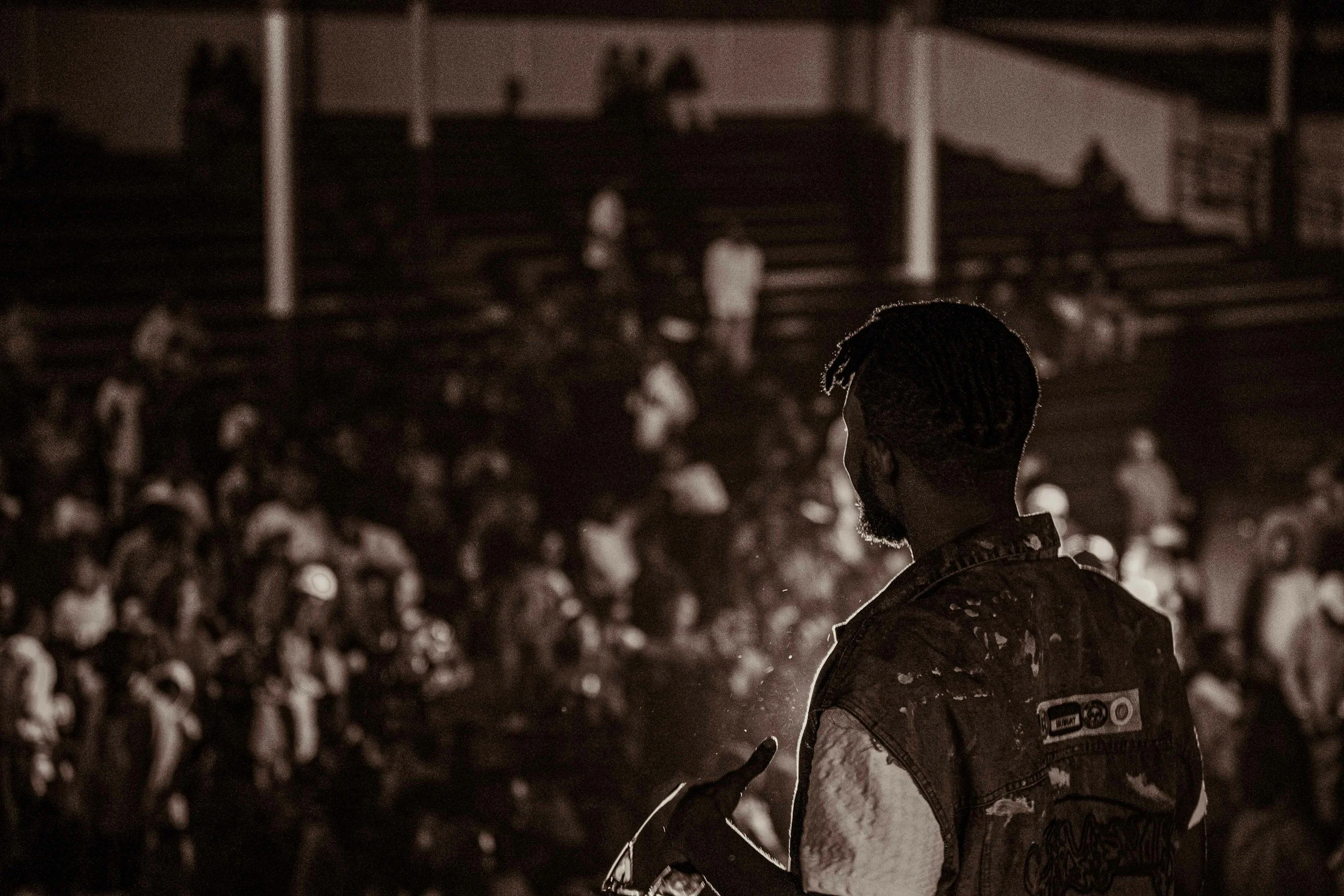
Society also tends to reward veterans for telling certain kinds of stories while quietly avoiding others. People are usually comfortable hearing about sacrifice, perseverance, resilience, and brotherhood because those narratives fit culturally accepted ideas about military service. People are far less comfortable hearing about emotional numbness, moral injury, resentment, or the confusion that can follow experiences that no longer fit neatly into patriotic language.
As a result, many veterans feel pressure, whether intentional or not, to package difficult experiences into something easier for other people to consume. The expectation may not always be spoken directly, but it still exists underneath many public conversations surrounding military service and loss. A veteran who expresses pride often feels easier for people to organize mentally than a veteran who expresses conflict or uncertainty. A veteran who frames suffering as meaningful may feel more reassuring to civilians than someone who openly admits they still do not know what to do with certain memories years later.
Grief often becomes condensed into slogans because slogans are easier to tolerate than unresolved pain.
Patriotic phrases can create distance from the reality that many veterans and military families continue carrying experiences that remain psychologically unfinished long after military service ends.
WHEN PUBLIC ACKNOWLEDGMENT CREATES ISOLATION
This is part of why Memorial Day can feel isolating for some veterans even while surrounded by public acknowledgment. The external environment becomes loud at the exact moment many internal experiences become difficult to organize. Ceremonies, patriotic messaging, repeated expressions of gratitude, and constant reminders of military sacrifice can create a disconnect between public expectation and private reality.
Some veterans spend the day surrounded by people while feeling completely disconnected from everyone around them. Others avoid social media entirely because the flood of inspirational messaging feels exhausting rather than comforting. Some hear "thank you for your service" repeatedly throughout the day even though Memorial Day is centered around people who never came home. Others sit quietly with names, faces, sounds, or moments they still cannot fully explain to people outside the military.
Human reactions do not separate themselves into clean emotional categories simply because a holiday expects them to.
TRAUMA, THE NERVOUS SYSTEM, AND AVOIDANCE
Memorial Day can also reactivate experiences that are not always visible externally. Trauma does not respond only to direct reminders. Anniversaries, symbolic events, sounds, imagery, collective attention, and environmental cues can all activate the nervous system in ways people do not fully anticipate. Some veterans notice increased irritability, disrupted sleep, emotional withdrawal, hypervigilance, or exhaustion around Memorial Day without immediately recognizing why.

Avoidance often develops within this process, yet avoidance is frequently misunderstood as indifference. In reality, many people avoid emotionally activating experiences precisely because those experiences carry significant psychological weight. Distancing from ceremonies, gatherings, media coverage, or military conversations may function less as rejection and more as an attempt to regulate overwhelm.
Sometimes distance is not a refusal to remember. Sometimes distance reflects a nervous system trying to maintain stability in the middle of activation.
LIVING IN THE SPACE BETWEEN EXTREMES
Veteran experiences are often flattened into narrow categories. Veterans are either portrayed as deeply patriotic and publicly reflective or as psychologically damaged and struggling. Most people exist somewhere between those extremes, carrying reactions that shift depending on the memory, the year, the environment, or even the hour.
Many veterans continue functioning effectively while privately carrying contradictions they rarely discuss openly. Some feel connected to military culture while also carrying resentment toward aspects of the institution itself. Others feel disconnected from civilian culture without fully identifying with military culture anymore either. Military service can complicate identity long after the uniform comes off, especially when certain experiences continue resurfacing years later in quieter ways.
Public conversations surrounding Memorial Day frequently focus on heroism, sacrifice, and gratitude while leaving little space for ambiguity, exhaustion, grief fatigue, or unresolved psychological conflict. Veterans who do not emotionally align with the expected tone of the holiday can begin feeling disconnected not only from civilians, but sometimes from other veterans as well.
WHAT VETERANS TELL THEMSELVES
Many veterans also begin evaluating their own reactions against what they believe they should be feeling. Someone who feels numb may interpret that numbness as evidence they did not care enough. Someone who avoids ceremonies may feel ashamed for wanting distance. Someone who experiences anger instead of gratitude may begin questioning whether something is wrong with them.
Trauma does not organize itself around social expectations. The nervous system responds according to perceived threat, memory, conditioning, accumulated experience, and emotional activation. Grief does not become more legitimate because it appears polished publicly, and emotional conflict does not make someone ungrateful or broken.
TOWARD MORE HONEST REMEMBRANCE
Memorial Day becomes difficult to discuss honestly because the holiday asks people to sit in contradictions that most cultures try hard to simplify. Memorial Day pulls grief, patriotism, memory, trauma, identity, and public expectation into the same space all at once. For some veterans and military families, the day becomes exhausting long before it is over.
At the same time, acknowledging that complexity does not diminish the meaning of remembrance. If anything, it allows remembrance to become more honest. Real remembrance does not always produce inspiration, emotional clarity, or healing. Sometimes remembrance simply means allowing loss to exist without forcing it into something easier to consume.
That may be one of the most overlooked realities surrounding Memorial Day. The holiday was never designed to erase discomfort. It was designed to acknowledge the existence of people who are no longer here, and the reactions attached to that reality will naturally vary across individuals, relationships, histories, and experiences.
Some people will spend the day surrounded by family and community. Others will isolate because solitude feels more manageable. Some will revisit memories they carry all year. Others will work hard not to think about any of it at all.