
The Automatic Self Series
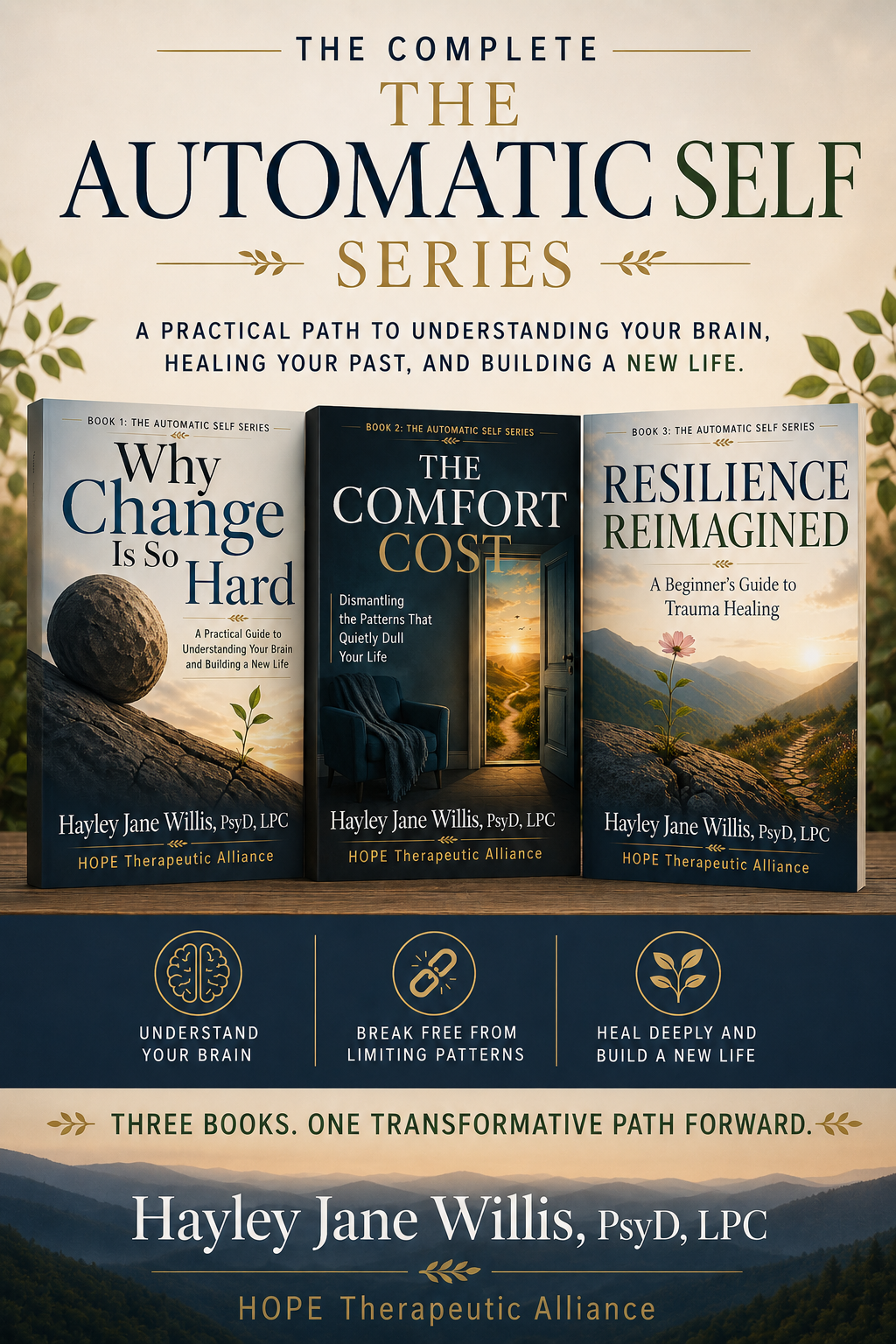
Understand the patterns you keep repeating, why they formed, and how to begin changing them with more compassion and clarity.
There are parts of you that may feel automatic by now. The way you shut down, stay busy, overthink, please others, avoid conflict, take control, or keep going long after you are tired. These patterns can feel so familiar that they begin to seem like personality, identity, or “just the way you are.”
But automatic does not always mean authentic.
The Automatic Self Series was created to help you understand the patterns that shape your life beneath the surface. These books are not about forcing yourself to become someone new. They are about seeing yourself more clearly, understanding what your brain and nervous system learned to do, and giving yourself a more honest path toward change.
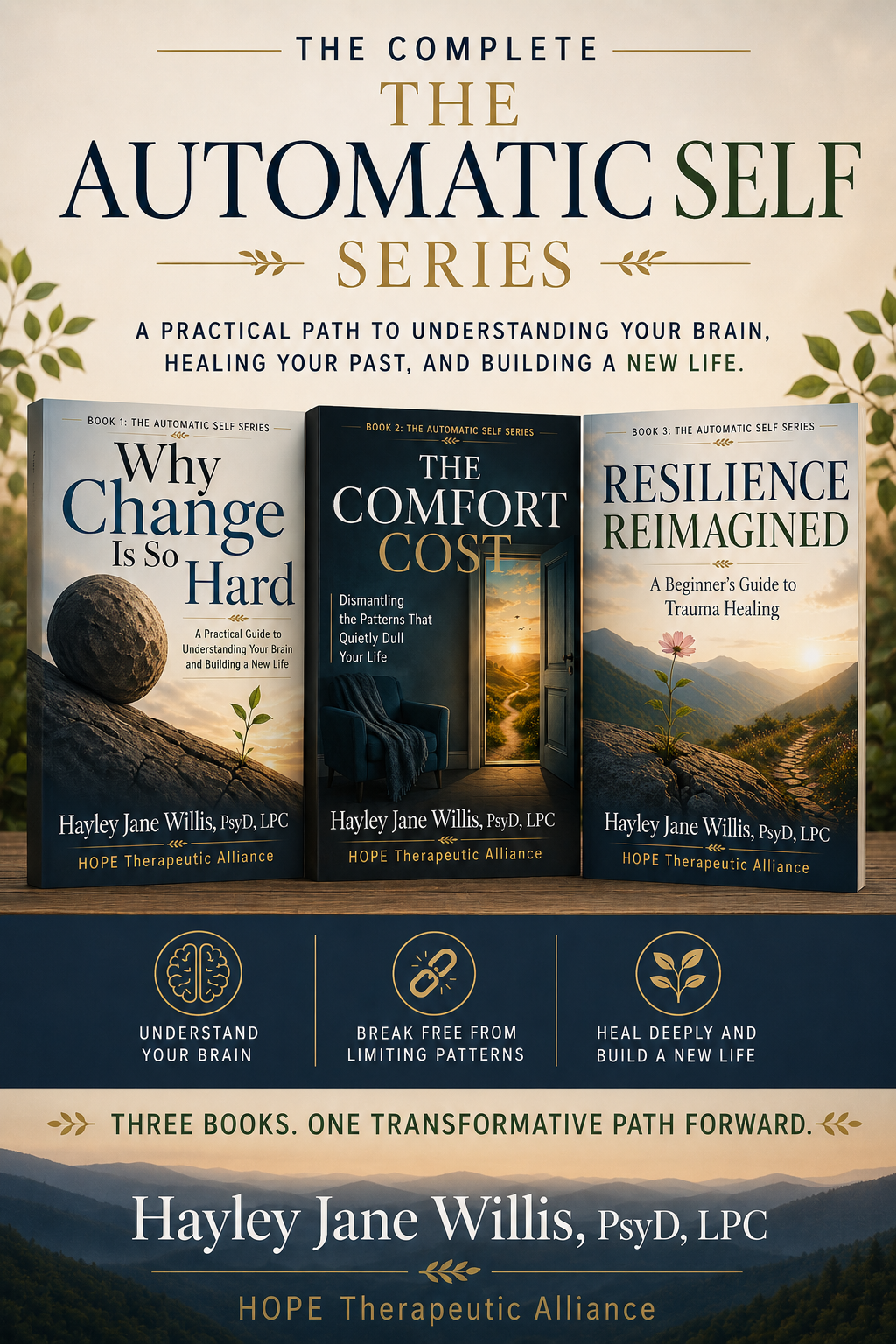
Why do people repeat the same patterns even when they want something different? The Automatic Self Series examines the psychological systems that operate beneath conscious awareness, influencing behavior, emotional reactions, relationships, and change. Through Resilience Reimagined, Why Change Is So Hard, and The Comfort Cost, readers gain a deeper understanding of how automatic processes shape daily life and what it takes to create meaningful, lasting change.
*This resource is an educational tool intended to support personal growth and emotional wellness and is not a substitute for therapy or mental health treatment.
DIGITAL DOWNLOAD
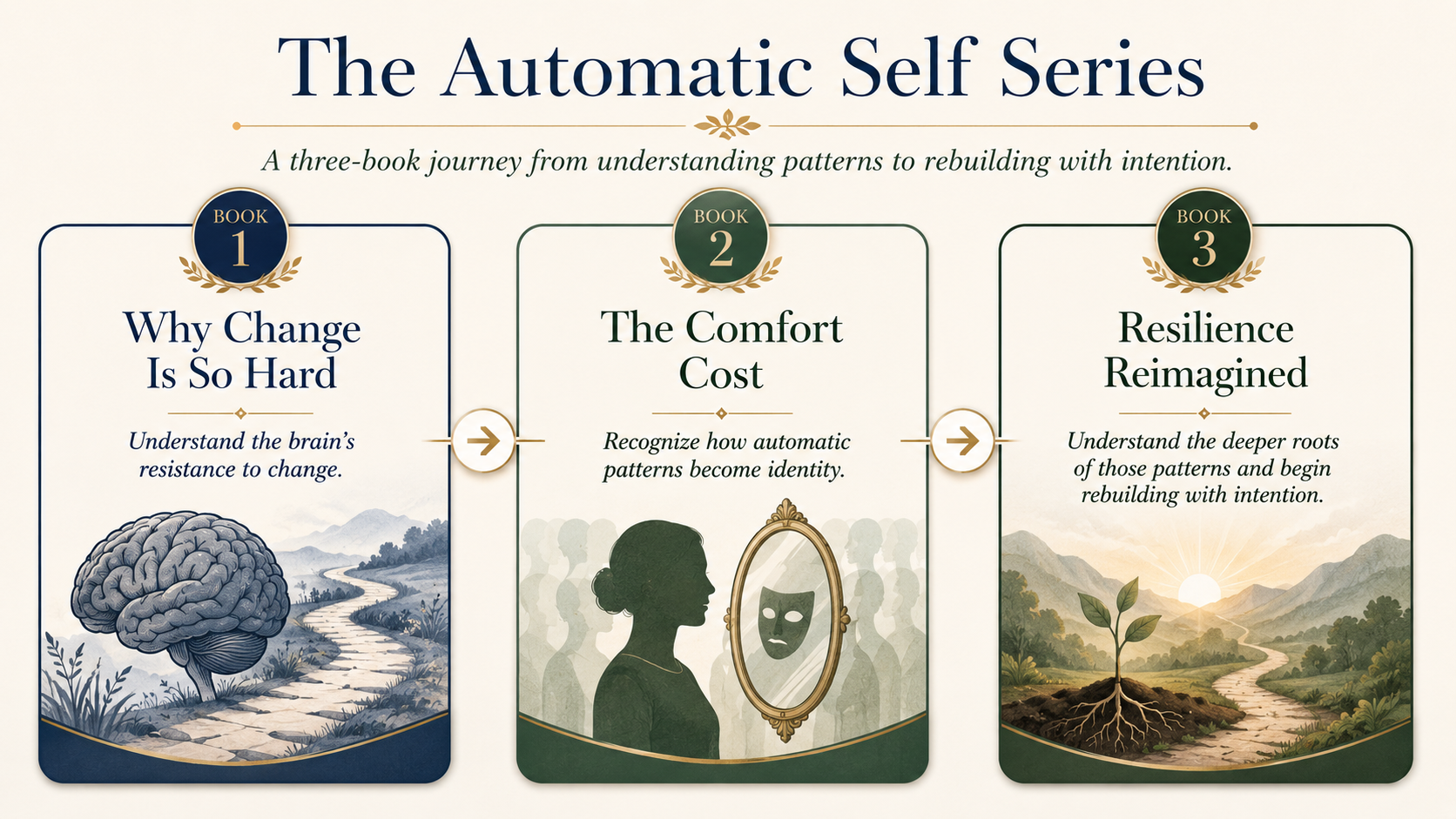
This series walks you through three connected layers of growth: why change feels so difficult, what your automatic patterns may be costing you, and how those patterns can be understood through the lens of stress, trauma, adaptation, and resilience.
How the Series Works Together
These books offer a compassionate, practical path for anyone who is ready to stop blaming themselves and start understanding themselves.
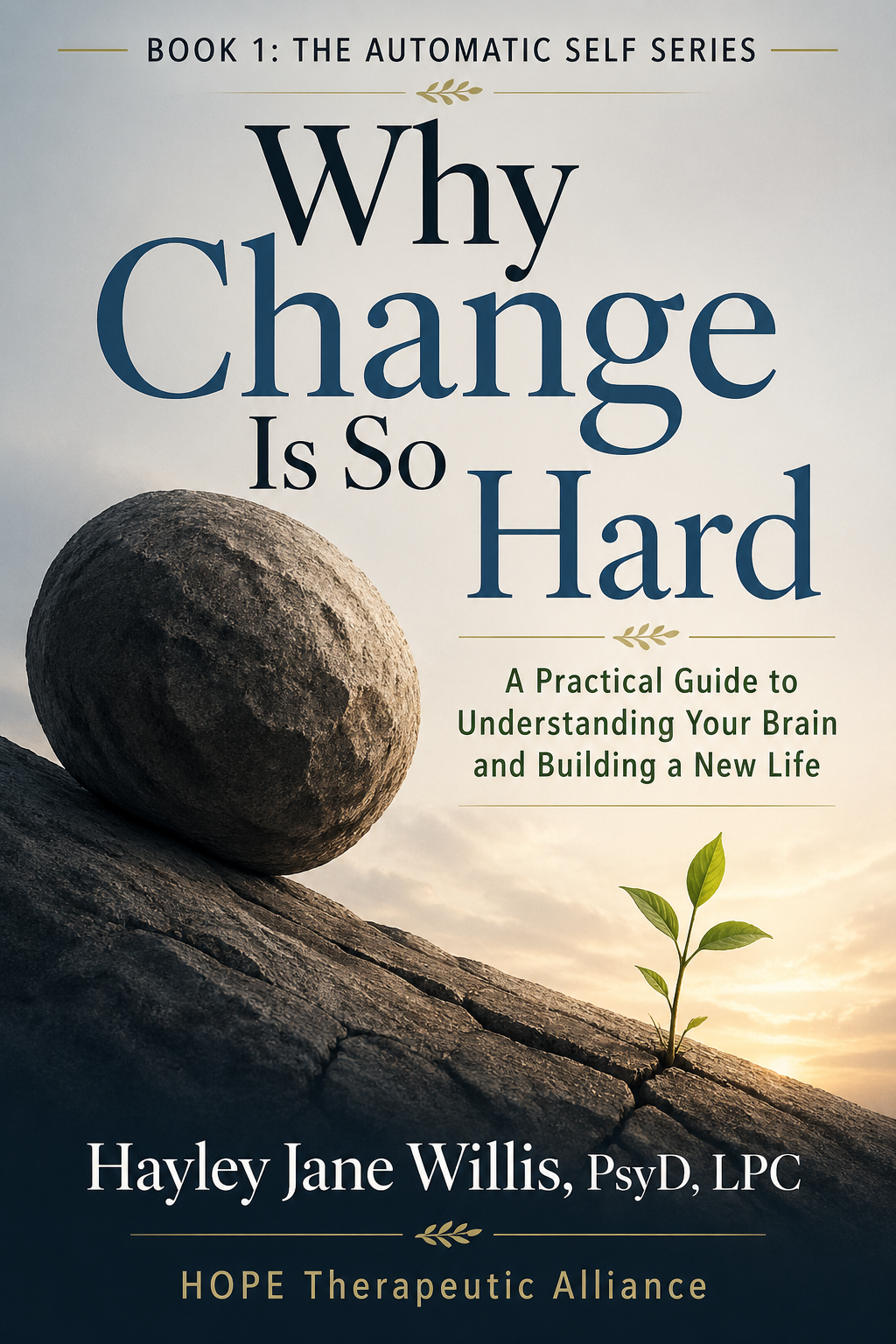
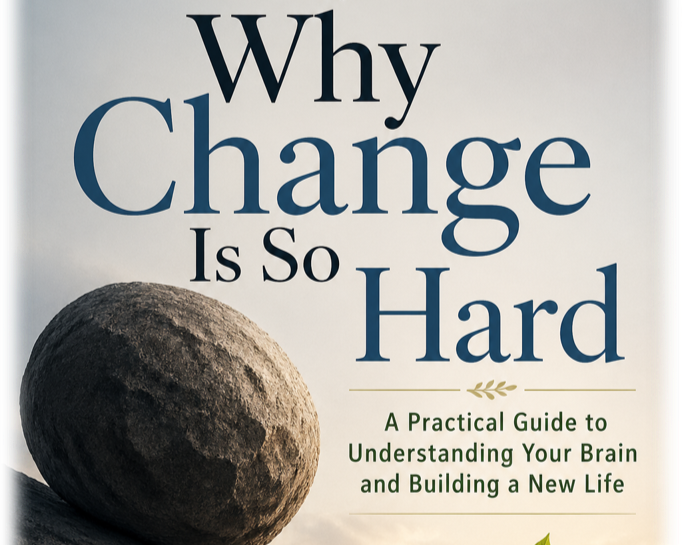
Change sounds exciting until your brain starts treating it like a threat. The first book in the Automatic Self Series explores why growth can feel so uncomfortable, even when you genuinely want it. Across 53 pages of guided reflection and practical insight, you will learn how the brain becomes attached to familiarity, how protective patterns quietly shape your decisions, and why resistance is often rooted in survival rather than laziness or lack of motivation. Instead of framing struggle as weakness, this book helps you understand the deeper mechanisms behind avoidance, emotional discomfort, and self-sabotaging cycles. This is a grounded, accessible starting point for anyone trying to step out of old patterns and create meaningful change without fighting themselves in the process.
*This resource is an educational tool intended to support personal growth and emotional wellness and is not a substitute for therapy or mental health treatment.
DIGITAL DOWNLOAD
Book 1: Why Change Is So Hard
A Practical Guide to Understanding Your Brain and Building a New Life
You can want change deeply and still find yourself repeating the same patterns. That does not mean you are weak, broken, or unmotivated. It means your brain has learned what feels familiar, efficient, and safe.
This first book helps you understand why change is so difficult, even when you know what you need to do. Through clear explanations and relatable examples, it explores how habits form, why your brain resists unfamiliar paths, and how real change becomes possible when you stop fighting yourself and start working with your brain.
This book is for you if you have ever thought:
“I know what I need to change, so why do I keep doing the same thing?”
Book 2: The Comfort Cost
Dismantling the Patterns That Quietly Dull Your Life
Once you understand why patterns persist, the next question becomes more personal: what have those patterns started to cost you?
The Comfort Cost explores how repeated coping responses can become mistaken for identity. The control becomes “I’m just structured.” The withdrawal becomes “I don’t need much.” The performance becomes “I’m just good with people.” Over time, what once helped you function can begin to limit your emotional range, your relationships, your choices, and your sense of aliveness.
This book invites you to examine the parts of yourself you may have defended as personality and ask whether they are still serving you, or whether they are simply familiar.
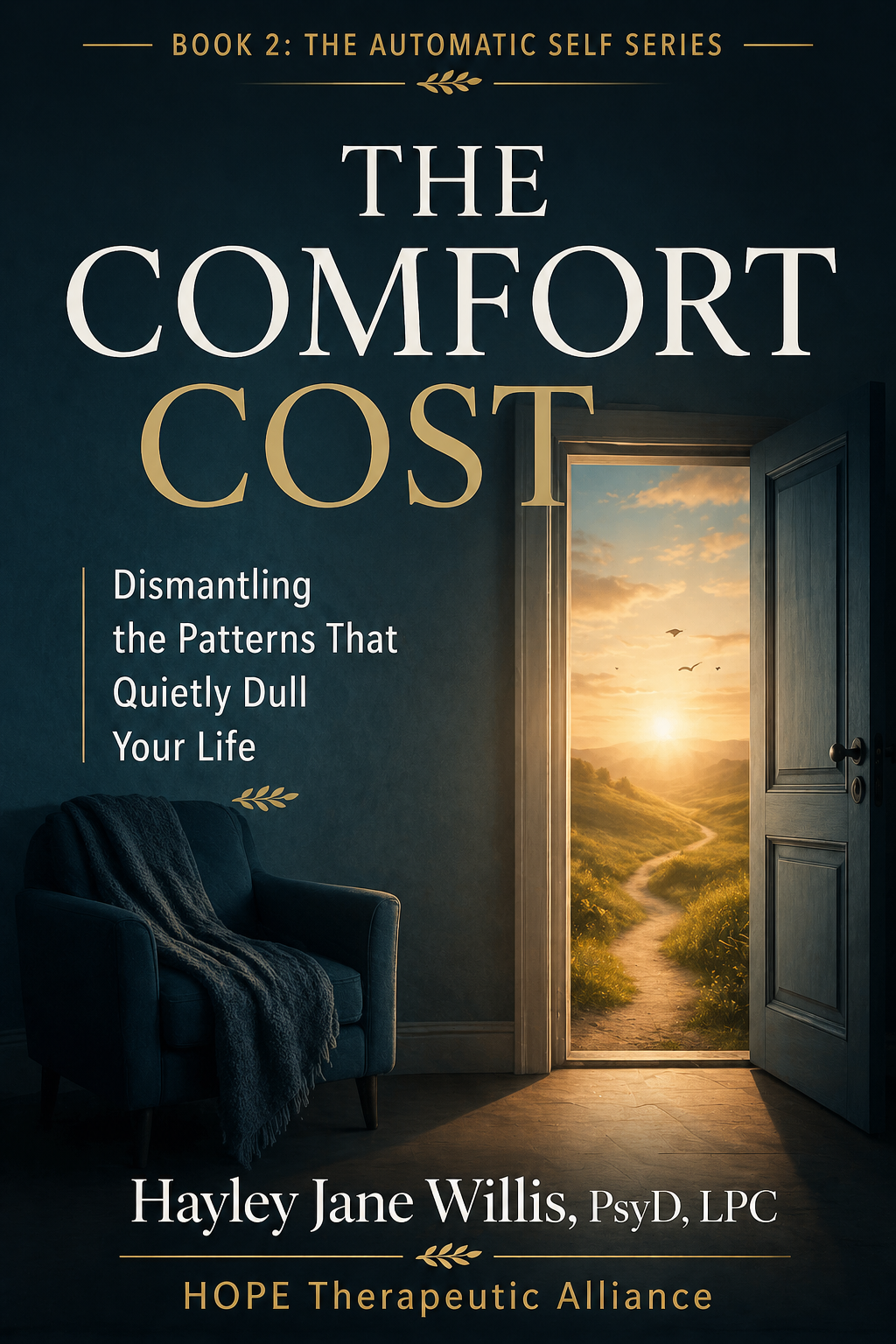
Comfort is not always peace. Sometimes it is avoidance dressed up as stability. Book Two in the Automatic Self Series explores the hidden price of staying emotionally safe, predictable, and familiar at the expense of growth. Through 71 pages of guided reflection, this journal helps you examine the routines, relationships, beliefs, and coping patterns that may protect you from discomfort while quietly limiting your life. You will begin identifying where fear, predictability, and self-protection have started making decisions for you. Rather than pushing toxic positivity or reckless change, this book helps you honestly evaluate what your current patterns are costing you and whether they still align with the life you actually want to build.
*This resource is an educational tool intended to support personal growth and emotional wellness and is not a substitute for therapy or mental health treatment.
DIGITAL DOWNLOAD
This book is for you if you have ever thought:
“This is just who I am… but I’m not sure it is actually making me feel alive.”
Book 3: Resilience Reimagined
A Beginner’s Guide to Trauma Healing
The third book goes deeper into where automatic patterns come from. Many of the responses people judge in themselves were once adaptations. They formed in response to real stress, real environments, real loss, real pressure, or real moments when safety, control, or support were limited.
Resilience Reimagined helps readers understand trauma, the nervous system, emotional regulation, survival responses, self-compassion, boundaries, trust, and the process of rebuilding after difficult experiences. It reframes resilience as something more than “being strong.” Resilience becomes a system that can be supported, strengthened, and updated over time.
This book is not about erasing the past. It is about understanding what your system learned there, so you can decide what still belongs.
This book is for you if you have ever thought:
“I survived what happened, but I’m still learning how to feel safe, steady, and whole.”
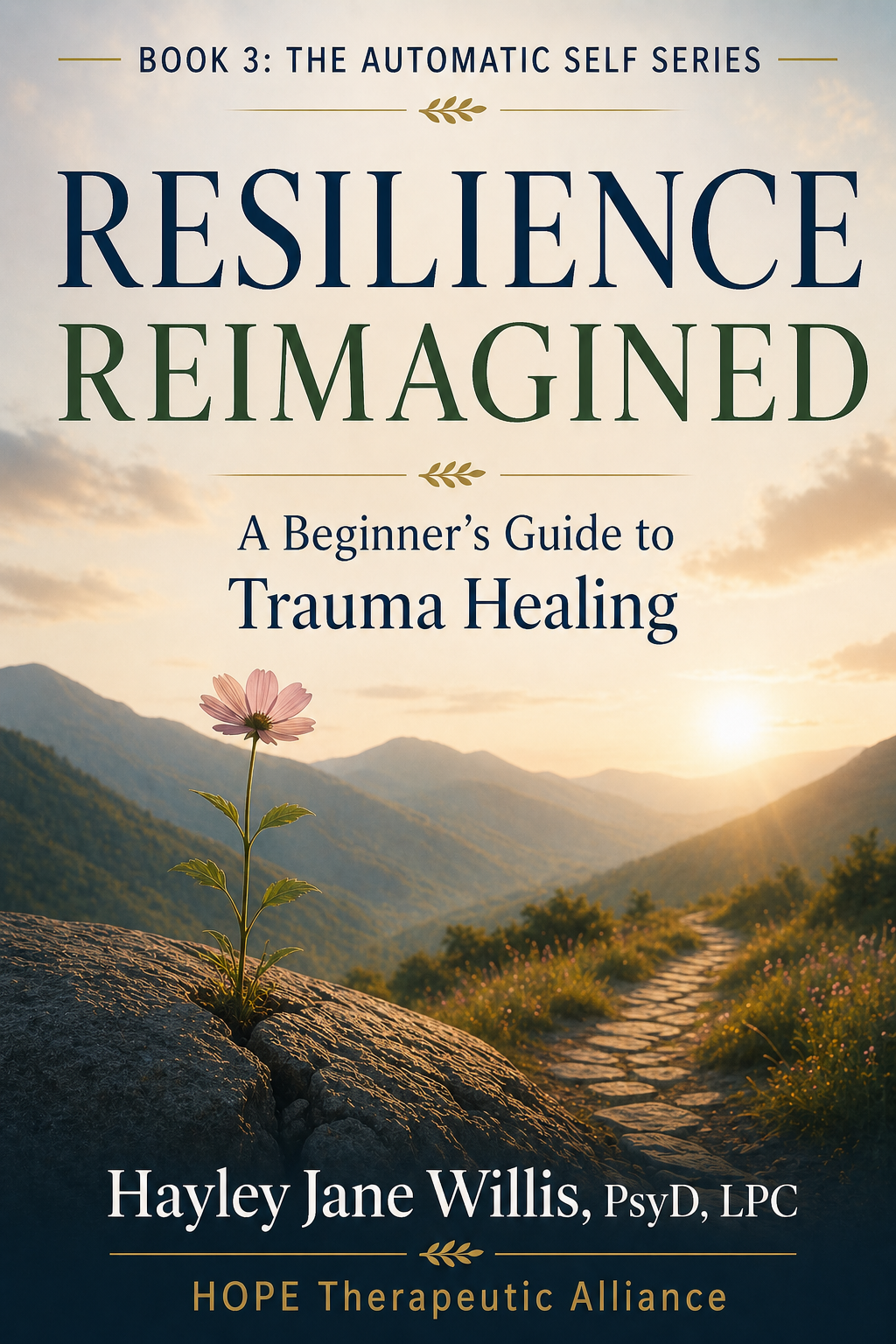
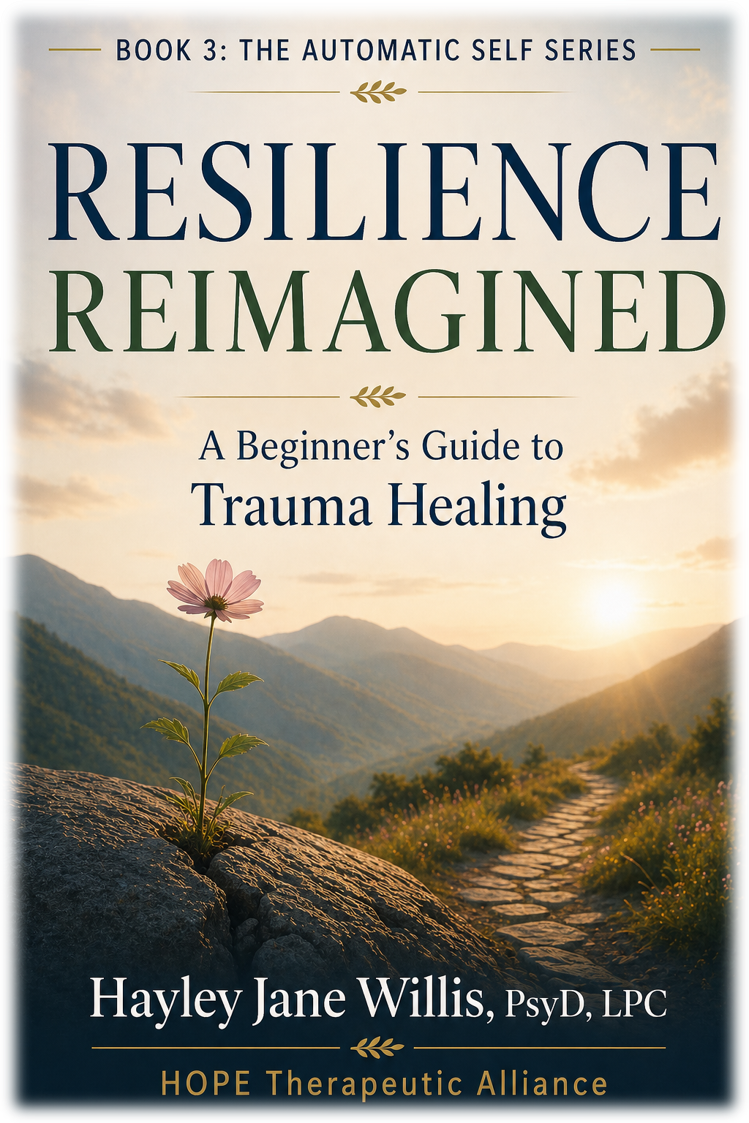
Resilience is not about becoming unbreakable. It is about learning how to adapt without losing yourself in the process. The final book in the Automatic Self Series moves beyond understanding your patterns and focuses on building lasting, sustainable change. Across 142 pages, you will learn how to strengthen emotional flexibility, respond to setbacks without collapsing into old habits, and create routines that support long-term growth instead of temporary motivation. This book reframes resilience as a skill that is intentionally built through awareness, repetition, and self-trust rather than sheer toughness. Through guided exercises and practical reflection, you will begin turning insight into consistency so the life you are building actually feels stable, authentic, and maintainable over time.
*This resource is an educational tool intended to support personal growth and emotional wellness and is not a substitute for therapy or mental health treatment.
DIGITAL DOWNLOAD
Not Sure Where to Begin?
You do not have to start with the full book series right away. Sometimes the best first step is simply noticing the pattern that has been quietly running in the background.
These free resources were created as starting points. Each resource helps you look at a different layer of the Automatic Self: the loops that keep you stuck, the automatic patterns that feel safe but limiting, and the survival strategies you may have mistaken for personality.
Start by Noticing the Pattern

The Automatic Pattern Audit
Identify the hidden loops that may be shaping your reactions, decisions, emotions, and relationships without you fully realizing it. This free workbook helps you look at automatic patterns such as avoidance, control, and emotional rehearsal so you can begin understanding what your brain has been repeating and why.
Then, Explore What Keeps You Comfortable but Stuck

The Comfort Loop Quiz
This self-assessment helps you identify the comfort patterns that may be keeping you safe, stuck, or emotionally restricted. You may recognize yourself as the one who controls, withdraws, performs, stays busy, avoids conflict, overthinks, or carries resentment. The goal is not to label yourself. It is to see what your patterns may be protecting and what they may be costing you.
Finally, Ask What Was Never Really Your Personality

What If This isn’t Your Personality?
Some traits begin as survival. This reflection guide helps you consider whether parts of you that feel permanent, such as being overly independent, guarded, constantly responsible, hard to read, anxious, or unable to rest, may have developed as adaptations to stress, instability, criticism, or emotional risk.
Begin with the resource that feels closest to what you are noticing right now. You are not trying to fix everything at once. You are learning to recognize the pattern clearly enough that change can begin with awareness instead of self-blame.
Browse Other Categories






Want to incorporate one-on-one clinical support?
Reach out to one of our talented counselors, who can help get started on your path to self-discovery.