
Trauma Recovery Resources
Healing at a Pace Your Nervous System Can Trust
Trauma can influence how you manage stress, experience emotions, trust others, and respond to everyday situations long after the experience has passed. Understanding these connections can help you recognize why certain reactions persist and what you can do differently.
Our therapist-created trauma recovery resources offer practical tools for understanding survival responses, managing emotional distress, and rebuilding a sense of safety. Whether you're navigating childhood trauma, difficult relationships, grief, or chronic stress, you'll find guidance to support meaningful healing without rushing the process.

Automatic Self Series
Why do you keep falling into the same patterns, even when you know they're holding you back? The Automatic Self Series explores the hidden psychology behind your habits, emotional reactions, and relationships, helping you understand what drives your behavior, why change feels so difficult, and how to start breaking cycles that no longer serve you.

Quiet Work Series
Your past may explain some of your reactions, but it doesn't have to dictate the rest of your story.
Quiet Work is a six-book guided trauma journaling series that helps you make sense of what you've experienced, recognize what you've carried into the present, and begin reclaiming the parts of yourself that survival pushed aside.
From understanding your nervous system to rebuilding trust, identity, and connection, each book helps you approach the harder parts of healing without forcing yourself to move faster than you're ready for.
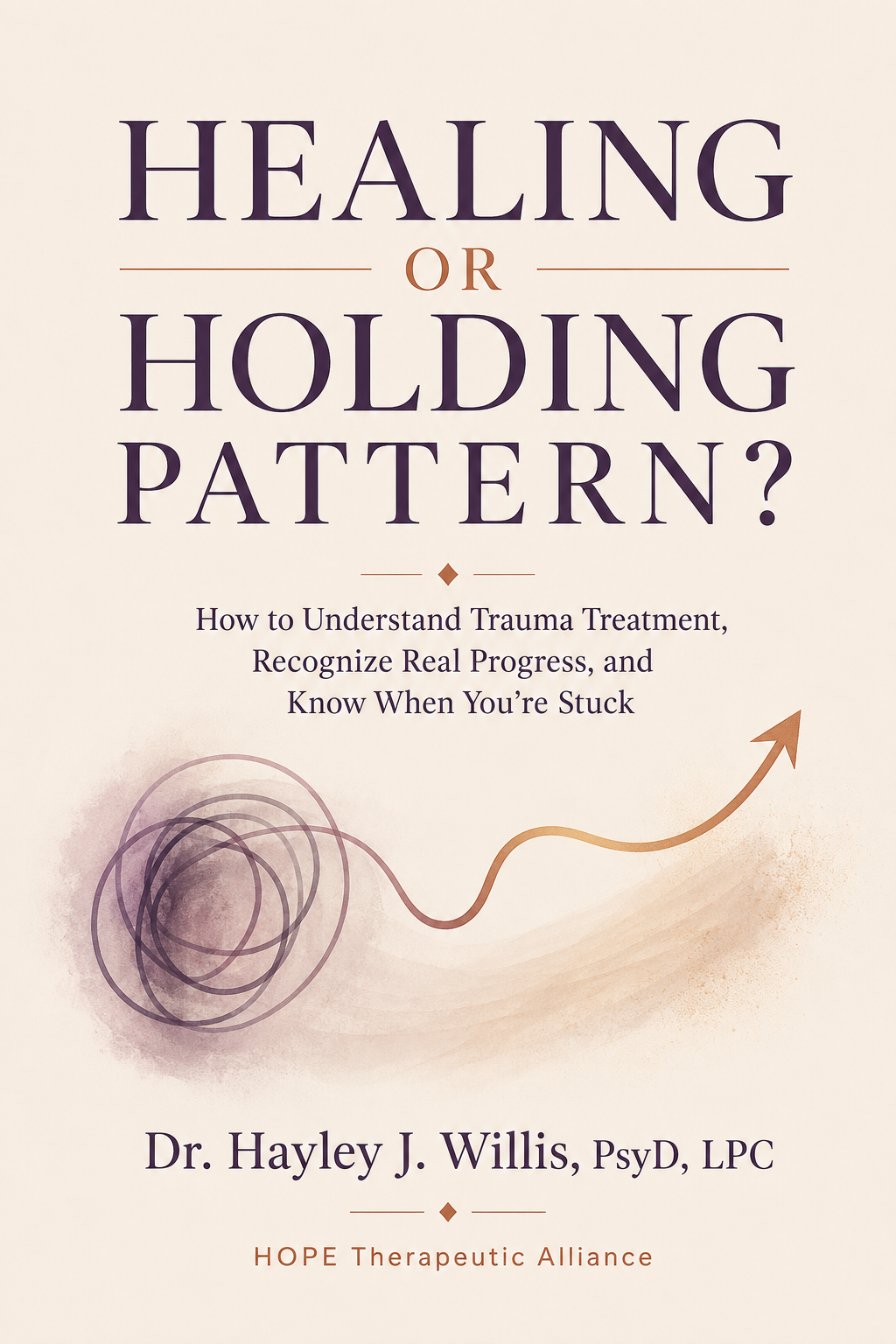
Healing or
Holding Pattern?
Is your trauma therapy helping you move forward, or have you been talking about the same things without seeing much change?
Therapy shouldn't leave you wondering indefinitely whether you're making progress. Healing or Holding Pattern? takes a closer look at what effective trauma treatment can involve, why some approaches work better for certain needs, and how to recognize when therapy may be moving too quickly, losing direction, or no longer meeting your goals. This practical field guide helps you ask better questions, understand your treatment options, and become a more informed participant in your own recovery.
Browse Other Categories